Knocking Sounds, Breaker Trips, and Pressure Drops: When to Seek Commercial Air Compressor Repair for Buffalo, NY
Knocking sounds, breaker trips, and pressure drops are three of the most common signs that a commercial air compressor needs professional attention before a minor issue turns into a costly shutdown. Facilities across Buffalo, NY, that rely on compressed air for manufacturing, assembly, or processing can suffer significant production losses when compressor problems go unchecked. At R.W. Lindsay, we help Buffalo-area facilities identify these warning signs early and get the right service before a small problem becomes a major disruption. This article explains what those warning signs mean, why Buffalo-area facilities face unique pressures on their equipment, and when to call us for commercial air compressor repair for Buffalo, NY. Contact our team today at (716) 731-9170 to schedule a service visit or discuss a maintenance plan for your facility.
Why Warning Signs in Industrial Compressors Demand Prompt Action
Industrial compressor problems rarely fix themselves. A single ignored symptom can cascade into full system failure within days. This is especially true in Western New York, where manufacturing plants along the Niagara Frontier, automotive suppliers in Erie County, and cold-storage operations near the Port of Buffalo all depend on reliable compressed air. When you need industrial air compressor repair for Buffalo, NY, our region's harsh winters add another layer of urgency, pushing equipment harder in facilities with outdoor compressor rooms or limited climate control. When temperatures drop below freezing, moisture management becomes critical, and systems already stressed by wear can fail faster than they would in milder climates.
Most compressor failures give advance warning. Learning to read those signals means you can schedule commercial air compressor repair for Buffalo, NY on your own timeline rather than scrambling during an emergency.
What Do Knocking Sounds, Breaker Trips, and Pressure Drops Actually Mean?
These three symptoms each point to a different class of problem, and each carries its own urgency.
Knocking or Banging Sounds
Knocking is one of the earliest mechanical red flags. A rhythmic knock often points to loose or worn connecting rods, piston slap, or bearing wear inside a reciprocating compressor. On a rotary screw unit, unusual noise may suggest rotor contact or failing bearings. Continued operation with a knocking compressor can lead to catastrophic internal damage. The longer you run it, the larger the repair bill tends to grow. Scheduling industrial air compressor repair for Buffalo, NY as soon as knocking develops is the most cost-effective course of action.
Circuit Breaker Trips
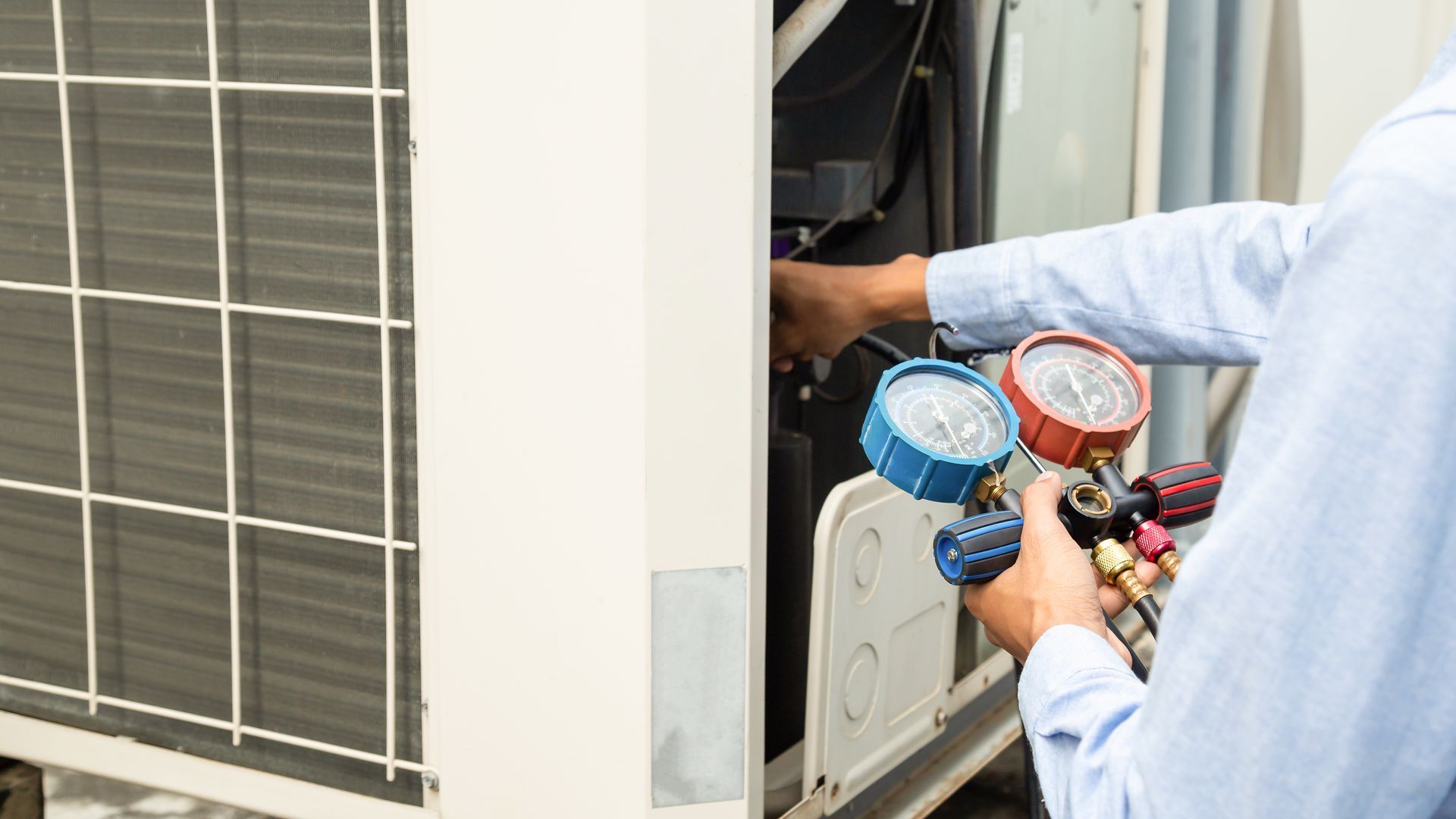
When a compressor trips its breaker repeatedly, the unit is drawing more current than the circuit can safely handle. Common causes include the following: a failing motor winding, a seized pump, worn capacitors, or degraded electrical components. Breaker trips signal that the motor may be working far harder than it should, putting both the equipment and your facility's electrical system at risk. Do not simply reset the breaker and walk away without investigating the root cause. Our team can diagnose the electrical system and identify the underlying cause before additional damage occurs.
Pressure Drops and Inconsistent Output
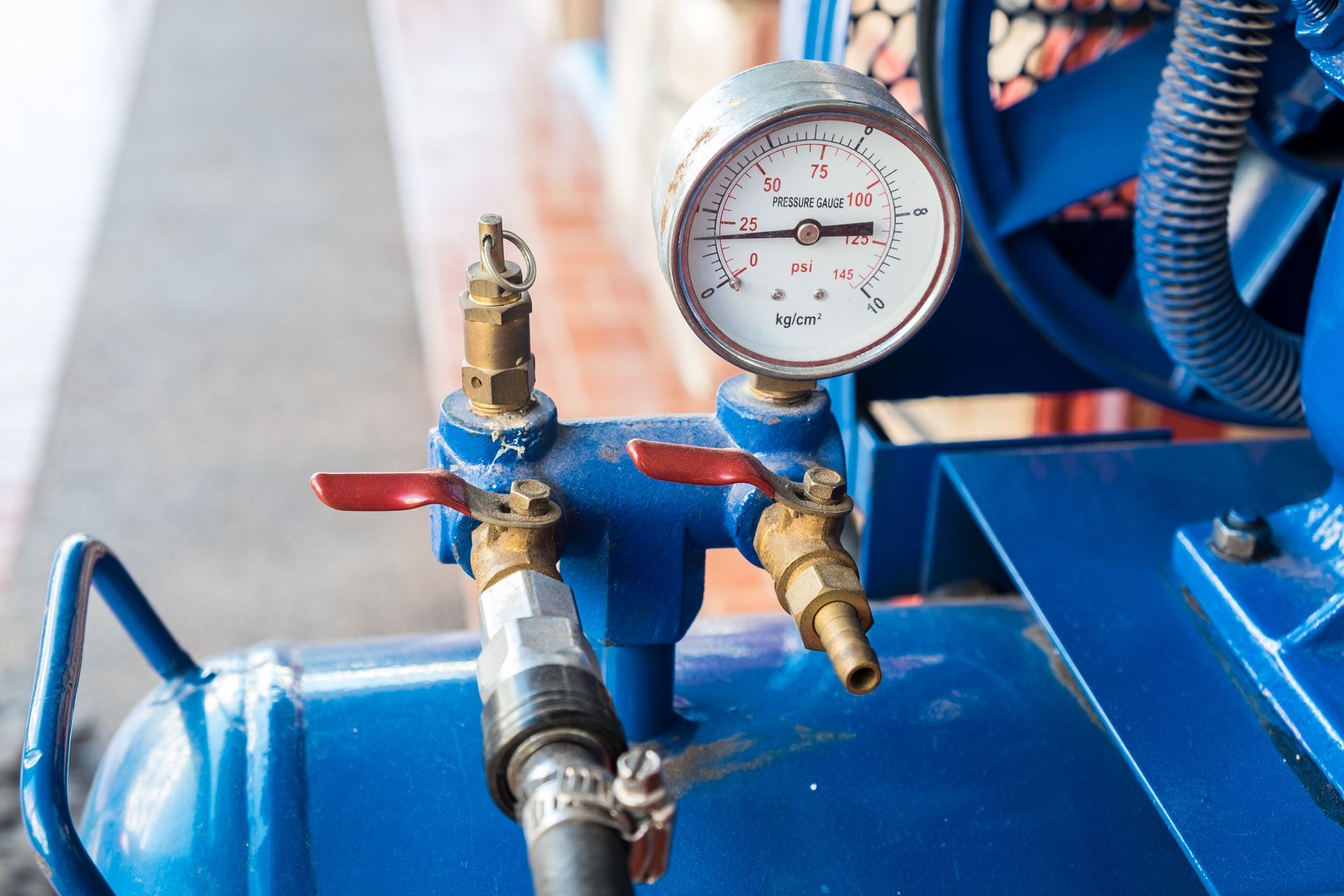
Pressure loss can come from air leaks in piping or fittings, worn piston rings, a failing inlet valve, or a clogged air filter. In facilities around Cheektowaga or Lackawanna that run high-cycle environments, pressure inconsistency tends to appear sooner as components wear faster. Even a small, steady pressure drop can affect pneumatic tools, production line robotics, and spray finishing equipment downstream. Tracking pressure readings over time helps catch a developing issue before it becomes a full stop.
Other Symptoms That Should Not Be Ignored
Beyond the big three, additional signs often appear alongside or just before a major failure. The following symptoms all warrant prompt attention from our service team:
▸Excessive heat from the compressor housing or discharge lines.
▸Oil carryover in the air lines.
▸Unusual vibration.
▸Moisture pooling in the receiver tank more frequently than usual.
▸Longer cycle times or continuous operation without reaching cutout pressure.
Any one of these can indicate a maintenance issue. Two or more at the same time usually means a repair is overdue. Buffalo-area facilities running compressors in multi-shift operations may notice these symptoms building gradually. Acting on early signs rather than waiting for a breakdown can reduce downtime significantly and lower the overall cost of industrial air compressor repair for Buffalo, NY when service is eventually needed.
How Often Should I Schedule Preventive Maintenance?
Preventive maintenance intervals depend on compressor type, hours of operation, and the operating environment. Facilities in dusty or cold environments may need more frequent filter changes, oil changes, and valve inspections. A structured service agreement helps you stay on schedule and keeps documented records of system performance, which becomes valuable when making capital replacement decisions.
Is It Safe to Keep Running a Compressor That Is Tripping Its Breaker?
Continuing to operate a compressor that repeatedly trips its breaker is not advisable. Each restart after a trip puts additional stress on the motor and electrical components, and there is a fire risk if wiring or motor windings are already degraded. The safe step is to take the unit offline, avoid repeated resets, and arrange industrial air compressor repair for Buffalo, NY before returning the unit to service.
Connect With a Compressed Air Specialist Serving Buffalo, NY
When your compressor is knocking, tripping breakers, or losing pressure, the time to act is now and not after a full shutdown disrupts production. R.W. Lindsay has been providing compressed air services to commercial and industrial clients across New York since 1960, with a team experienced in repair, preventive maintenance, and system auditing. You can learn more about the compressed air services available for your facility and contact our service team to schedule an assessment. Reach out to our Buffalo line at (716) 731-9170 or our Rochester line at (585) 544-7310 to request a service visit or ask about a structured maintenance agreement for your facility.